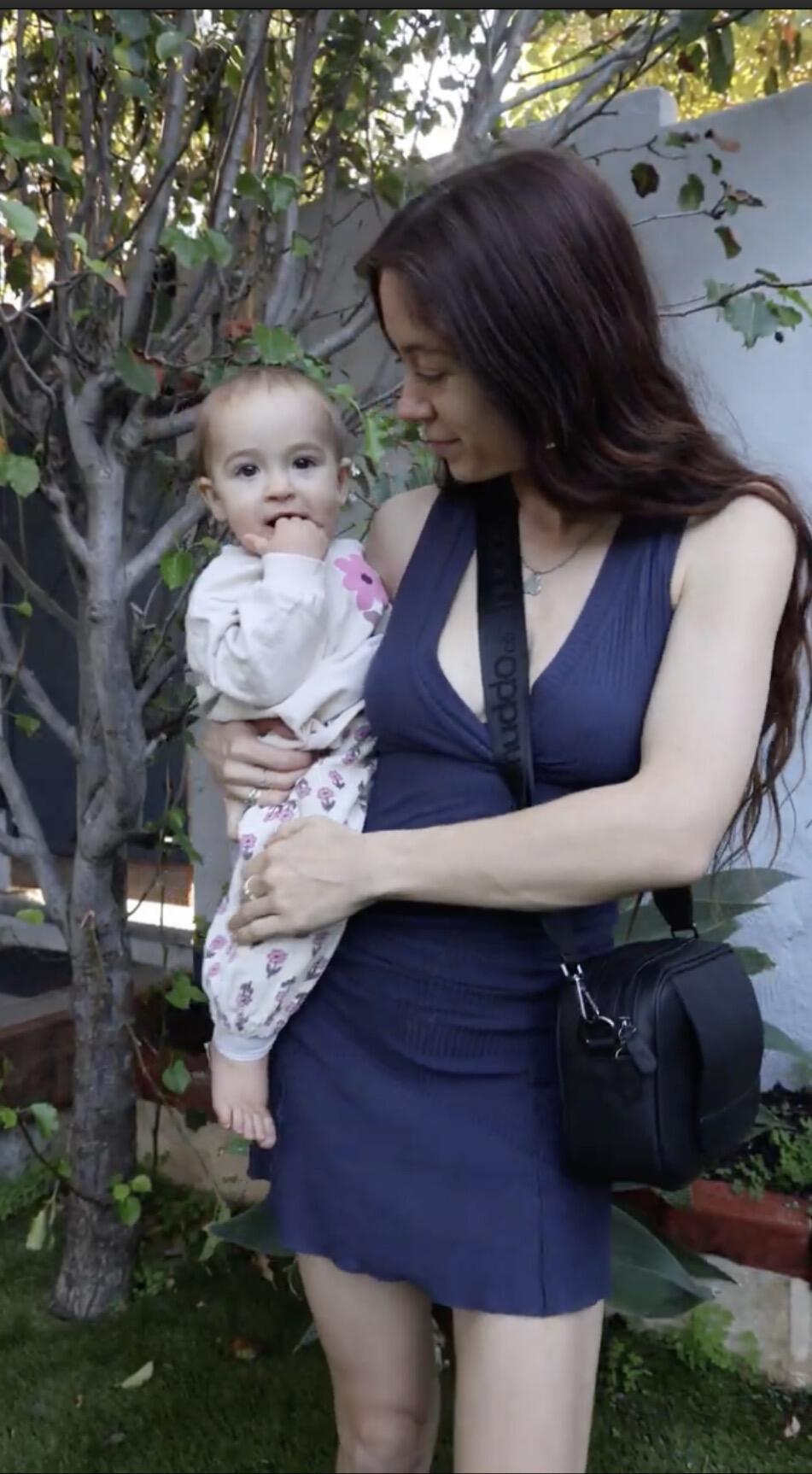
They say motherhood tears you to pieces, then rebuilds and rewires you - but for some, the wiring doesn't change. It just finally gets seen. For a significant number of women, becoming a mother is the moment a lifetime of quietly struggling, overcompensating, and holding it all together (at great personal cost) suddenly makes sense.
During Neurodiversity Celebration Week, there’s a lot of conversation around supporting neurodivergent children. But something that isn’t always spoken about as openly is the experience of neurodivergent parents raising neurodivergent kids.
For many of us, the journey doesn’t start with our own diagnosis. It starts with trying to support our children. For me, this journey has been riddled with 'uh huh' moments, the ones where things slowly begin to click into place.
When Things Start to Make Sense
Like many parents, I started researching and learning about neurodiversity to support my son. The more I read and the more conversations I had with specialists and other parents, the more I started recognising certain traits, patterns and experiences.
Not just in my child. But in myself.
Things that I had always thought were just quirks or personality traits, that I had simply learned to push through or adapt around, suddenly had a different context.
Experiences that had felt confusing growing up (an even into adulthood) started to make a lot more sense...
For instance, "why did I drop out of school at 14 years old?"; "why have I always felt different or 'alien' in every setting?"; or "why has there been several times in my adult life where I struggle to leave the house for extended periods?" 😅
Receiving a neurodivergent diagnosis later in life can be emotional. For many adults, it brings a mix of relief, reflection and sometimes grief for the years spent not fully understanding why certain things felt harder than they seemed for others.
But for many of us, it also brings clarity. For me, it bought a level of understanding and self-compassion that is beyond measurable.
Learning New Ways to Support Yourself
Once you understand how your brain works, you can start building systems that actually support you.
For me, that meant learning new ways to manage things like overstimulation, routine and energy levels. It meant recognising when I needed more structure, and most importantly, when I needed quiet, space or to ask for support.
And in learning how to understand myself, it gave me the ability to extend that same understanding to my child.
One of the most powerful things about neurodivergent families is that we often develop a deep empathy for each other’s experiences. We understand the moments that feel overwhelming. We understand the need for space, routine, regulation and patience.
This shared understanding can be incredibly powerful. Not just in how we operate together, but how our children learn to treat the world around them.
Late Diagnosis and the Motherhood Tipping Point
Parenting always comes with a learning curve, but when you’re navigating neurodivergence within your family, it can sometimes feel like the blind leading the blind (or the dysregulated trying to regulate the dysregulated 😅).
Many neurodivergent parents, especially mothers, don't receive a diagnoses until they become parents. The sudden increase in responsibility, unpredictability, and emotional load that comes with having a child can expose symptoms that were previously masked.
Before I had my son, I thought I knew what overstimulated meant. All I can say now is that I'd pay good money to have a day of my previous interpretation of overstimulation 😂
I didn't realise how sensitive I was to noise, until I had a colicky baby who screamed almost constantly for the first 14 weeks of his life.
"Touched out" takes on a whole new meaning when your sensory profile is at odds with your all day every day environment.
Does any of this mean I don't like being a mum? or that I would take any of it back? Of course not! But I can love my son more than life itself, and be honest about the struggles I've had during motherhood. The two can exist comfortably alongside each other.
Why do I think this is important to talk about?
Firstly, its nothing to be ashamed of. As it turns out, my neurodivergence is the reason I've been able to achieve many of the things I have in my life, and why I felt such a drive to create products that made parenting feel a little easier.
But more importantly, most autistic or ADHD mothers do not discover their diagnosis until later in life, so we can tend to blame ourselves for struggling and be reluctant to reach out for help. If I can help one other woman from avoiding the pain and shame I felt about my 'performance' as a mother, then its been a worthwhile conversation.
Research shows that ADHD increases the risk of depression and anxiety in the perinatal period, with depression and anxiety recorded in 16.76% of the ADHD group compared to 3.29% in the non-ADHD group, yet maternal healthcare services rarely consider how neurodivergence shapes the perinatal experience.
Parenting Through a Neurodivergent Lens
What works for one family may not work for another.
You learn to trust your instincts.
You learn to advocate.
You learn to create systems and routines that work for your family, not someone else’s expectations.
And you learn that there is absolutely nothing wrong with doing things differently. For example, as it turns out, no one in our neurodiverse family likes sitting at the dining table to eat dinner... so we don't. We take every opportunity to avoid societal norms where they don't work for us.
Why Neurodiversity Celebration Week Matters
Neurodiversity Celebration Week is about recognising that brains are not meant to all work the same way, and that's a beautiful thing.
Neurodivergent brains bring creativity, empathy, curiosity and new ways of seeing the world. Those strengths deserve to be recognised and celebrated.
For me, its about playing a role in creating the type of world I want my son to grow up in. One where different 'operating systems' are valued and cherished, rather than being seen as a deficit.
For many families, it’s also about visibility.
About helping parents realise they’re not alone.
About helping children grow up understanding their differences are not something to hide or be ashamed of.
A Note From Me
If you’re a neurodivergent parent raising a neurodivergent child, I see you.
It’s a journey that can come with questions, adjustments and a lot of learning. But it can also bring deep understanding, connection and strength within your family.
And sometimes, the moment things start to make sense is the moment you realise you’ve been doing an incredible job all along.
With love,
Katie
Founder, HuddoCo 💛